Gaslighting 101
How they use “where‘s the evidence?” to keep you quiet & prolong the public awareness tipping point.
by Robin Pisciotta

Asbestos – a classic example of how actual true claims are made, then ignored & dismissed by industry and public officials, even as evidence mounts… while the pawns shout “there’s no evidence”.
Here’s a timeline of key events showing the disparity between early warnings (read: CLAIMS) from workers and researchers about asbestos dangers and the later official recognition of its risks.
Early Warnings and Public Denial

1898: Lucy Deane, one of the first female British inspectors of factories, warned that asbestos dust was causing “injurious” effects on workers’ health. She highlighted issues with respiratory problems in those working with asbestos, but these early warnings were largely ignored by industry and officials.

1924: Dr. Edward Merewether, a British physician, published a study identifying a high prevalence of lung disease among asbestos workers. His research made asbestos-related illnesses a known occupational hazard. However, there was resistance to this “connection” and minimal action was taken to control asbestos use.
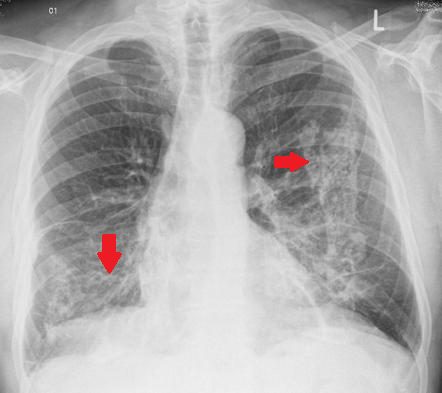
1930s: By this time, several studies in the UK and the US indicated a “clear link” between asbestos exposure and lung problems. The U.S. government was aware of this information, but manufacturers of asbestos products insisted on downplaying the risks, and regulatory measures were limited.
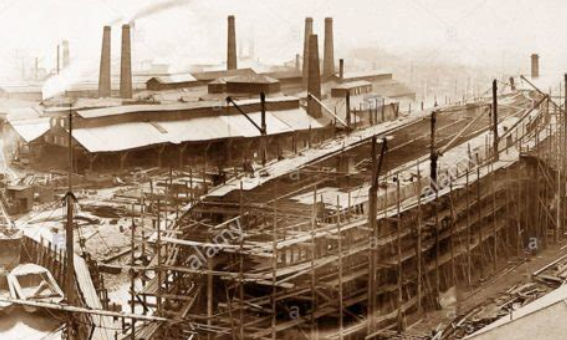
1934: The first asbestos-related lawsuits in the United States began to emerge, with workers suing for lung damage. Despite these cases, manufacturers continued to deny that asbestos caused harm and pushed back against regulations.
1940s-1950s: During World War II, the widespread use of asbestos in shipbuilding and other industries led to significant asbestos exposure among workers. Research continued to link asbestos to lung disease, but companies lobbied to prevent the implementation of safety standards, insisting that asbestos was safe.
Shift Toward Acknowledgement
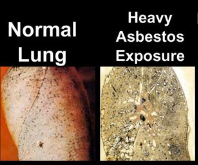
1964: Dr. Irving Selikoff1, an American physician, published groundbreaking research linking asbestos exposure to lung cancer, asbestosis, and mesothelioma. His findings were based on his studies of insulation workers, who had high rates of these diseases. This work was a major turning point in asbestos research, but many in the industry continued to deny the dangers.
1970s: Evidence became overwhelming, and the U.S. Environmental Protection Agency (EPA) began regulating asbestos. The Clean Air Act of 1970 identified asbestos as a hazardous air pollutant, and the Occupational Safety and Health Administration (OSHA) issued standards to limit exposure in the workplace.

1980s: By this time, asbestos was widely recognized as dangerous. The Asbestos Hazard Emergency Response Act of 1986 required schools to inspect for asbestos and establish management plans. This was one of the first major regulations acknowledging asbestos‘s risks to the general public, rather than just to workers.
Final Acknowledgement of Harm
1989: The EPA attempted a full ban on asbestos under the Toxic Substances Control Act (TSCA), but this was overturned by a federal court in 1991 after industry groups challenged it. This partial victory for asbestos companies demonstrated ongoing resistance to the acknowledgment of harm, though public consensus now recognized the danger.
2000s-Present: Over time, mounting lawsuits and increased regulation have pushed asbestos almost entirely out of U.S. construction and manufacturing. Though still not fully banned in the U.S., awareness of the health risks of asbestos is now widespread, and it is no longer viewed as “safe” in any context.
Continue:The Gaslighting Template
More Information
1See: Shooting the messenger: the vilification of Irving J. Selikoff
